Dallas
SEO for Ecommerce in Dallas: Shopify Search Growth for DFW Brands
A Shopify-only team that builds the pages, structure and technical foundation your online store needs to rank, sell more and keep growing.

Dallas Is a Distribution City. Your Store Should Rank Like One.
Dallas-Fort Worth is one of the biggest commercial hubs in the country. Warehouses, distributors, wholesalers and fast-growing consumer brands share the same metro area, and many of them now sell online as well as through traditional channels.
That mix creates a particular kind of ecommerce business: a brand that sells to retailers and directly to consumers, ships nationally, maybe offers local delivery or pickup, and competes in categories where Amazon, big-box stores and well-funded brands already own the first page of Google.
SEO is how a store like that earns customers without paying for every click. RankMyShopify works only with Shopify and Shopify Plus stores, so our SEO for ecommerce in Dallas is built on one platform we know in depth. This page explains how we approach it, starting with the thing most agency pages skip: what actually ranks.
The Pages That Earn Ecommerce Traffic
Ecommerce SEO isn’t one thing. It’s a set of different pages, each with a different job. Many stores put all their effort into the homepage and a handful of products, and wonder why traffic stalls. Here’s the full picture.
Category and collection pages. These capture the biggest and most valuable searches, like “women’s cowboy boots,” “outdoor patio furniture” or “protein powder.” They’re where shoppers compare options, and in most stores they should be your top SEO priority.
Subcategory pages. Narrower versions, such as “square-toe cowboy boots” or “reclining patio sofas,” catch more specific searches with high buying intent and usually less competition.
Product pages. These rank for exact product names, model numbers and very specific searches. They also close the sale, so they need clear details, reviews and trust signals.
Brand pages. If you stock other brands or have your own sub-brands, brand pages capture people searching by name.
Buying guides. Pages that answer “how do I choose” questions, such as “how to pick a work boot” or “what size area rug for a living room,” bring in shoppers early and lead them toward your collections.
Comparison pages. “X vs Y” and “best for” pages capture people deciding between options, often just before buying.
Support and policy pages. Shipping, returns, sizing and FAQ pages build trust and capture questions that can otherwise send shoppers elsewhere.
We map your catalog to this structure, then decide which pages already exist, which need rebuilding and which don’t exist yet. That map becomes the SEO plan.
How We Choose Which Keywords to Target
Not all keywords are worth chasing. Ranking for a popular term that doesn’t lead to sales is a waste. We sort every opportunity by two questions: how likely is a visitor to buy, and how realistic is it to rank?
Intent tiers:
Tier
What the shopper wants
Example
Page type
Ready to buy
What the shopper wants
Wants a specific product now
Example
“buy [product name],” “[brand] size 9”
Page type
Product pages
Comparing
What the shopper wants
Wants to choose between options
Example
“best leather work boots,” “leather vs suede boots”
Page type
Collections, guides, comparisons
Researching
What the shopper wants
Wants to learn
Example
“how to break in cowboy boots”
Page type
Guides and articles
Navigating
What the shopper wants
Looking for a brand or store
Example
“[your brand]”
Page type
Homepage, brand pages
Prioritization: We score each target on search demand, buying intent, competition and how well it fits your catalog and margins. Then we start with the terms that pair strong intent with a realistic chance of ranking. This keeps early effort focused on pages that can produce revenue, not just traffic.
Selling Wholesale and Retail? Here’s How SEO Handles Both

Dallas has a long tradition of trade and wholesale, including major wholesale markets for home décor, gifts and apparel. Many brands in the area sell to retailers and consumers at once. That’s a good business, but it creates SEO traps.
Keep wholesale pricing and portals out of search. Trade pricing, login pages and account areas should not be indexed. They can expose pricing, create duplicate pages and confuse search engines.
Avoid duplicate catalogs. If your wholesale and retail catalogs share products, make sure only one version is meant to rank for each product, using canonical tags and clear structure.
Target trade searches separately. Retailers search with different words, such as “wholesale,” “distributor,” “bulk” or “trade,” than consumers do. We build dedicated landing pages for those searches.
Use Shopify’s tools properly. Shopify Plus supports B2B and wholesale storefronts, and we set them up so they help your SEO instead of competing with your retail store.
Keep brand messaging consistent. Retail buyers will often check your consumer site, so it should reinforce your credibility.
Ecommerce Website SEO: The Foundation Under the Pages
Great pages need a store that search engines can crawl, understand and trust. Our ecommerce website SEO work covers indexing, site architecture, variant and filter handling, structured data, site speed, internal linking and redirects, all adapted to how Shopify handles them. The details are on our Shopify SEO page.
The principle is simple: fix what stops Google from seeing your best pages first, then build on that.

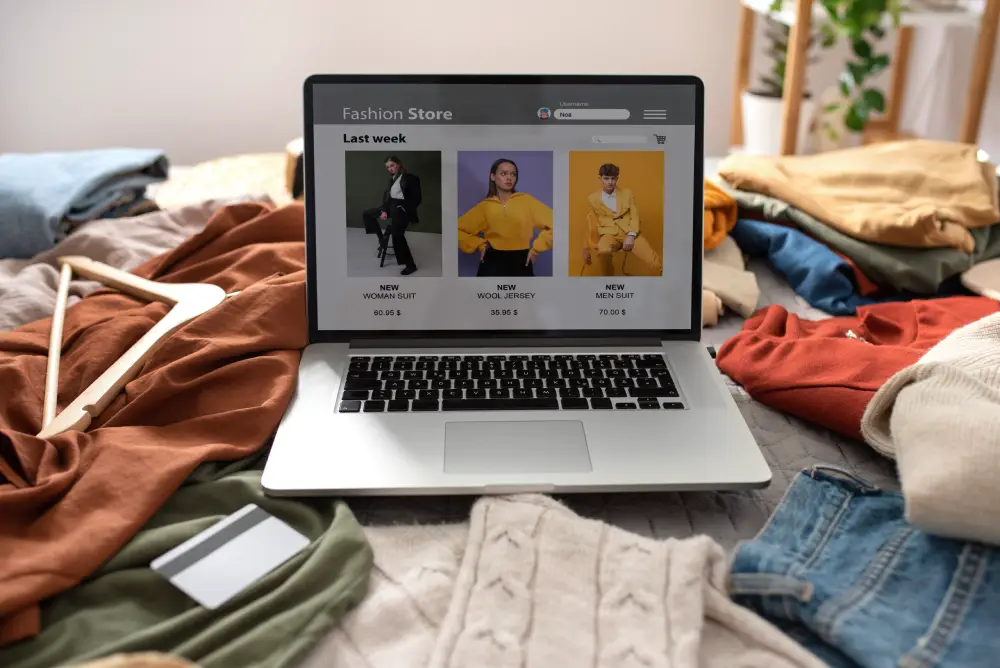
Ecommerce Optimization Services in Dallas: Turning Traffic Into Sales
Ranking is only half the job. Once visitors arrive, the store has to convert them. Our ecommerce optimization services in Dallas cover the second half: product page clarity, collection page design, mobile experience, checkout friction and speed. We use the same evidence-first approach across both SEO and conversion rate optimization, so improvements in traffic and conversion reinforce each other.
Categories Where Dallas Brands Often Compete
Dallas-area ecommerce spans many categories. These are some where we see strong search demand and clear SEO opportunities.
- Western wear and boots. Searches combine style, material, fit and occasion, such as “square-toe boots,” “women’s western shirts” or “boots for work.” Size guides, care content and detailed materials information help pages stand out.
- Home, furniture and décor. Shoppers search by room, style, material and dimensions. Detailed specifications, room-based collections and “how to choose” guides perform well.
- Outdoor, hunting and fishing. Seasonal and gear-focused, with plenty of comparison searches. Buying guides and “best for” pages are especially valuable.
- Food, sauces and gifts. Strong gifting demand and local pride. Gift collections, seasonal pages and subscription content matter.
- Fitness, health and wellness. Ingredient and goal-based searches, with careful claims. See our work for health and supplement brands.
- Apparel and accessories. Our plans for fashion and clothing and accessories brands cover variants, filters and image search in depth.
Texas weather also shapes demand. Heat, storms and cold snaps change what people search for, from cooling products and outdoor gear to emergency supplies. We plan content ahead of those shifts.
Local Delivery, Pickup and Showrooms
If you only ship, local SEO isn’t a priority. If you have a showroom, retail location, warehouse pickup or local delivery in the Dallas-Fort Worth area, there are real opportunities.
- Google Business Profile for each real location, kept accurate and active
- Local inventory listings. Google lets stores with physical inventory show what’s in stock nearby, through Merchant Center. This can bring in shoppers searching for products they want today
- Local landing pages for areas you genuinely serve, such as Plano, Frisco, Irving, Fort Worth, Arlington and McKinney, written with real information, not copied templates
- Clear pickup and delivery messaging on product pages, in the cart and in structured data
- Local reviews that support both your profile and your product pages
We only recommend local pages for places where they’re real. Thin, copied “city” pages don’t help and can hurt.
Texas Rules Worth Knowing
Selling to Texas customers, or selling from Texas, brings a few requirements. We build SEO and tracking with these in mind, and we recommend your own adviser confirms the details.
Texas Data Privacy and Security Act
Texas has a comprehensive privacy law that affects how you collect, use and share customer data, including for tracking and advertising.
Sales tax
Texas has state and local sales tax, and online sellers can have obligations based on where they sell. Shopify’s tax tools help, but registration and settings are your responsibility.
Consumer protection
The Texas Deceptive Trade Practices Act applies to misleading claims. Product descriptions, reviews and promotions should be accurate and supportable.
Industry rules
Some categories, such as supplements, certain outdoor products and food, have their own rules for claims and labeling.
We’re a marketing team, not a law firm, so treat this as a list of things to review with your advisers.

Working With a Remote Shopify SEO Team
We’re a remote team, not a Dallas office. For ecommerce SEO, this rarely matters. The work happens in Shopify, Google Search Console, analytics tools and your own data. We schedule calls during Central time business hours, give you direct access to the specialists doing the work, and send clear updates on what we’ve done and what changed.
If you also want help beyond SEO, we run Google Ads, Meta and TikTok ads and email and SMS from the same plan, and we support larger brands with Shopify Plus and international expansion.
Shopify SEO Packages
Shopify SEO Packages — Built to Grow Your Store
Get a complete Shopify SEO strategy designed to increase organic visibility, qualified traffic, and sales. Every package combines technical SEO, keyword research, on-page optimization, content, and authority building based on your store’s growth stage.
STARTER PLAN
Best for New & Small Shopify Stores
$150
/month
Research & Analysis
- Shopify SEO Audit
- Initial Website & Competitor Analysis
- Google Analytics Setup & Review
- Google Search Console Setup & Review
- Google Business Profile Review
- Website Indexing Check
- Shopify Store Structure Review
- Keyword Research
- Up to 2 Competitors
- Collection Page Optimization
BOOST PLAN
Best for Growing Shopify Stores
$250
/month
Advanced Shopify SEO
- Advanced Technical SEO Audit
- Product & Collection Keyword Mapping
- Product Page Content Optimization
- Collection Page Content Optimization
- Shopify Blog SEO Optimization
- Schema Markup Review
- Internal Linking Strategy
- Shopify Sitemap & Robots.txt Review
- Core Web Vitals Review
- Broken Link & Redirect Analysis
- Cannibalization Check
GROWTH PLAN
Best for Established Shopify Brands
$350
/month
Advanced SEO Strategy
- Full Shopify Technical SEO
- Advanced Competitor Analysis
- Keyword Gap Analysis
- Product & Collection SEO Strategy
- Search Intent Mapping
- Topical Authority Strategy
- Content Cluster Development
- Advanced Internal Linking
- Schema & Structured Data Review
- Page Experience Optimization
- Shopify Speed Optimization Recommendations
SCALE PLAN
Best for High-Growth & Shopify Plus Stores
$500
/month
Enterprise Shopify SEO
- Complete Shopify SEO Strategy
- Advanced Technical SEO
- Large Product Catalog Optimization
- Collection & Product SEO Architecture
- Shopify Plus SEO Review
- International SEO Review
- Shopify Markets SEO Review
- Advanced Schema Implementation
- Advanced Crawl & Indexation Analysis
- SEO Migration Support
- Shopify Theme SEO Review
- Speed & Core Web Vitals Optimization
- SEO Development Recommendations
More Ways We Help Dallas Shopify Brands
Most stores get the best results when search, paid media and the store itself are improved together. These are the services Dallas brands most often pair with this work.
Shopify SEO
Keyword mapping, collection and product page optimisation, and technical fixes for Shopify. Learn more →
B2B & Wholesale Setup
Shopify B2B catalogs, trade pricing and wholesale portals that sit beside your retail store. Learn more →
Google & PMax Ads
Shopping feeds and Performance Max campaigns built around your margins. Learn more →
Shopify CRO
Product page, cart and checkout improvements that turn more visitors into buyers. Learn more →
Speed Optimisation
Faster themes, lighter apps and better Core Web Vitals. Learn more →
SEO Pricing
Clear monthly plans from $150 for new and growing stores. See plans →
Other locations we serve: United Kingdom · United States · Australia · South Africa · Canada · Singapore · New York City · Los Angeles · San Francisco · Chicago · Seattle
FAQ
SEO for Ecommerce in Dallas: Frequently Asked Questions
It’s the practice of improving an online store so it appears higher in search results for relevant searches. It covers category and product pages, content, technical health, structured data and links, and aims to bring in visitors who are likely to buy.
Ecommerce stores have many pages, product variants, filters and changing inventory, which create technical challenges. They also compete for shopping-intent searches, so category and product pages matter more than blog content.
Usually not. Unless you rely on local pickup or a physical location, ecommerce SEO depends on your store and your customers’ searches, not your agency’s address. We work in Central time and stay in regular contact.
Yes. We keep trade pricing and portals out of search, avoid duplicate catalogs and build separate landing pages for wholesale searches.
Technical fixes can show effects within weeks. Rankings and revenue usually build over three to six months, depending on competition and your starting point.
Yes, if you have a real location or pickup point. We handle Google Business Profile, local inventory listings and local landing pages.
No, and we’d be cautious about anyone who does. We commit to clear work, honest reporting and a plan built around your market.
See Which Pages Are Holding Your Store Back
Send us your store URL and we’ll map your catalog against the pages that earn ecommerce traffic: collections, products, guides and comparisons. You’ll get a short, plain-English report showing what’s working, what’s missing and what to build first, which you’re free to use with or without us.