Sports & Fitness
Sports Equipment SEO Company for Shopify Sports & Fitness Brands
We help Shopify stores that sell sports equipment, fitness gear and activewear get found on Google and in AI search, then turn that traffic into orders. Shopify-only, and built for brands selling across the US, UK, Australia and beyond.
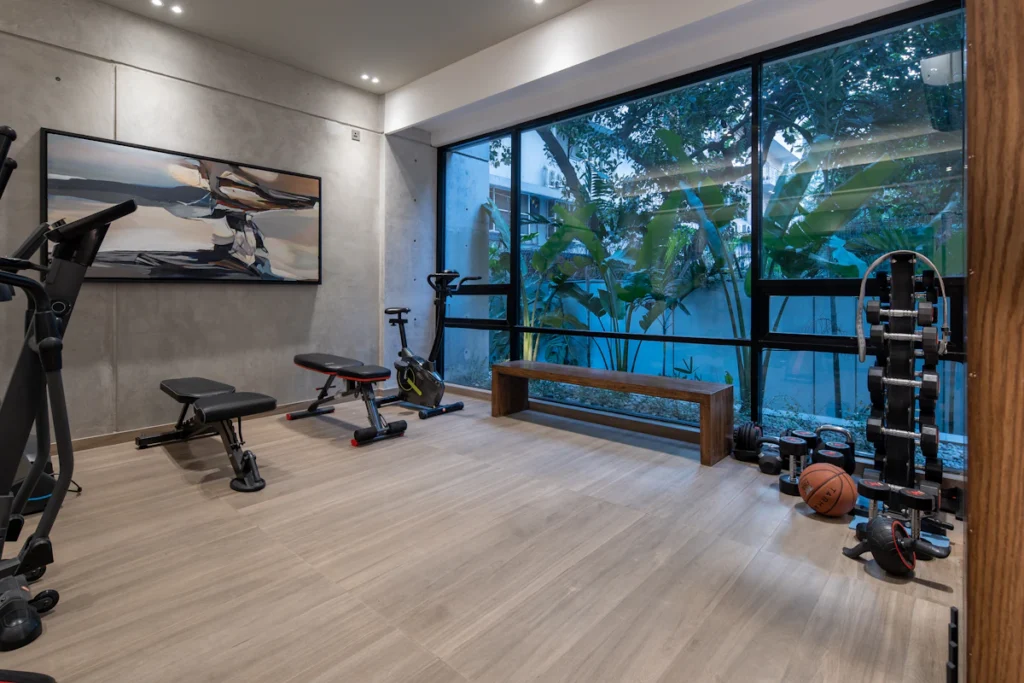
Why Sports and Fitness Stores Struggle to Grow on Search
Sporting goods is a crowded shelf. The same rowing machine, yoga mat or padel racket is often listed by the manufacturer, two marketplaces, a big-box retailer and a dozen independent stores. When everyone sells similar products with similar descriptions, Google has little reason to rank a smaller Shopify store, and shoppers have little reason to choose it.
On top of that, demand moves with the seasons and the sporting calendar, buyers can’t try equipment before it ships, and catalogs quickly grow into hundreds of sizes, weights and colour variants. Generic SEO rarely accounts for any of this. Our work starts from how sports shoppers actually research and buy.
What Sports Equipment SEO Actually Involves
SEO for a sports or fitness store is the work of making every important page easy for search engines to understand, and worth choosing for the shopper who lands on it. In practice that comes down to four things.
Structure. Collections that mirror how people shop: by sport, by activity, by training goal and by level. “Adjustable dumbbells”, “home gym equipment” and “kettlebells for beginners” are different searches and deserve different landing pages, not one bloated “Weights” collection. Our guide to collection SEO for large catalogs goes deeper on this.
Product pages with real information. Weights, dimensions, materials, load ratings, sizing and who the product is best for. Copied manufacturer text gives Google nothing new. Useful specs and honest guidance do.
Technical health. Shopify creates duplicate URLs for products inside collections, filters can create thousands of thin pages, and big image galleries slow mobile pages down. We fix the parts that hold a sports catalog back.
Content and authority. Buying guides, comparisons and training content that answer questions before the purchase, plus links and mentions from clubs, coaches and sport-specific publications.
For the full platform detail, see our Shopify SEO services.

How Sports and Fitness Shoppers Search (and the Page Each Search Needs)
Matching each type of search to the right page is the quickest way to stop your own pages competing with each other. These are the patterns we map for almost every sports store.
Category searches
"home gym equipment", "padel rackets", "cycling helmets". These need strong collection pages with useful filters, short buying advice and links into sub-collections.
Product and model searches
"20kg adjustable dumbbells", a brand plus model number. These need product pages with full specs, clean variant handling and Product schema showing price and stock.
"Best" and comparison searches
"best running shoes for flat feet", "rowing machine vs exercise bike". These need buying guides and comparisons that link straight to the products discussed.
Goal-based searches
"low-impact cardio machines", "beginner strength training at home". These need guides grouped by training goal that lead into curated collections.
Level and audience searches
"junior football boots", "women's lifting belt". These need dedicated collections by age, gender or ability, where the demand is real.
Help and care searches
"what size bike frame do I need", "how to clean a yoga mat". These need size guides and help content that build trust and reduce returns.
We use this map to decide which pages to create, which to merge and which to leave alone, so every search has one clear page to rank.
What’s Included
What We Do for Sports and Fitness Brands
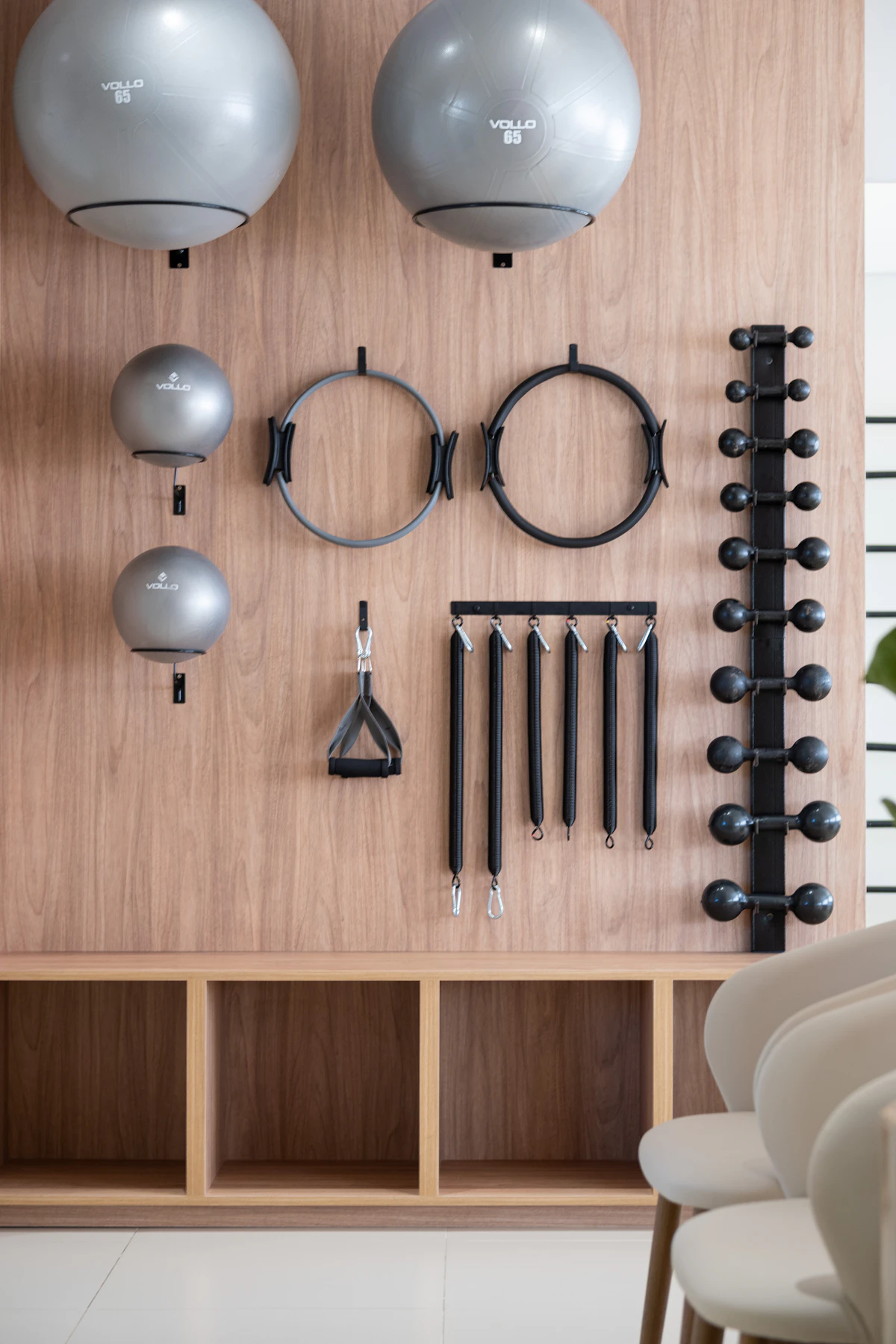
Shopify SEO for Sporting Goods Catalogs
Collection architecture. We organise collections around sports, activities and goals, then set rules for filtered and tagged pages so they help shoppers without flooding Google with near-duplicates.
Product page optimisation. Unique titles and descriptions, spec tables, sizing notes, image alt text and FAQs, written for the buyer comparing three similar products. See the product and collection page fixes we make most often.
Technical fixes. Canonicals, internal linking, structured data, redirects for discontinued models and speed work for image-heavy themes.
AI search visibility. Clear, consistent product facts and answer-ready content, so tools like ChatGPT, Gemini and Google AI Overviews can understand and mention your products.
Google Shopping and Paid Search Built Around Margin
Equipment buyers compare prices, and Google Shopping is often where that comparison happens. We clean up your product feed so titles carry the details people search for (weight, size, material, sport), fix Merchant Center disapprovals and missing attributes, and structure Google Ads and Performance Max campaigns so bulky, low-margin items don’t eat the budget meant for your best sellers.
Branded, non-branded and remarketing traffic are kept separate, so you can see what each one really returns. Our product feed optimisation guide explains the feed side in detail.
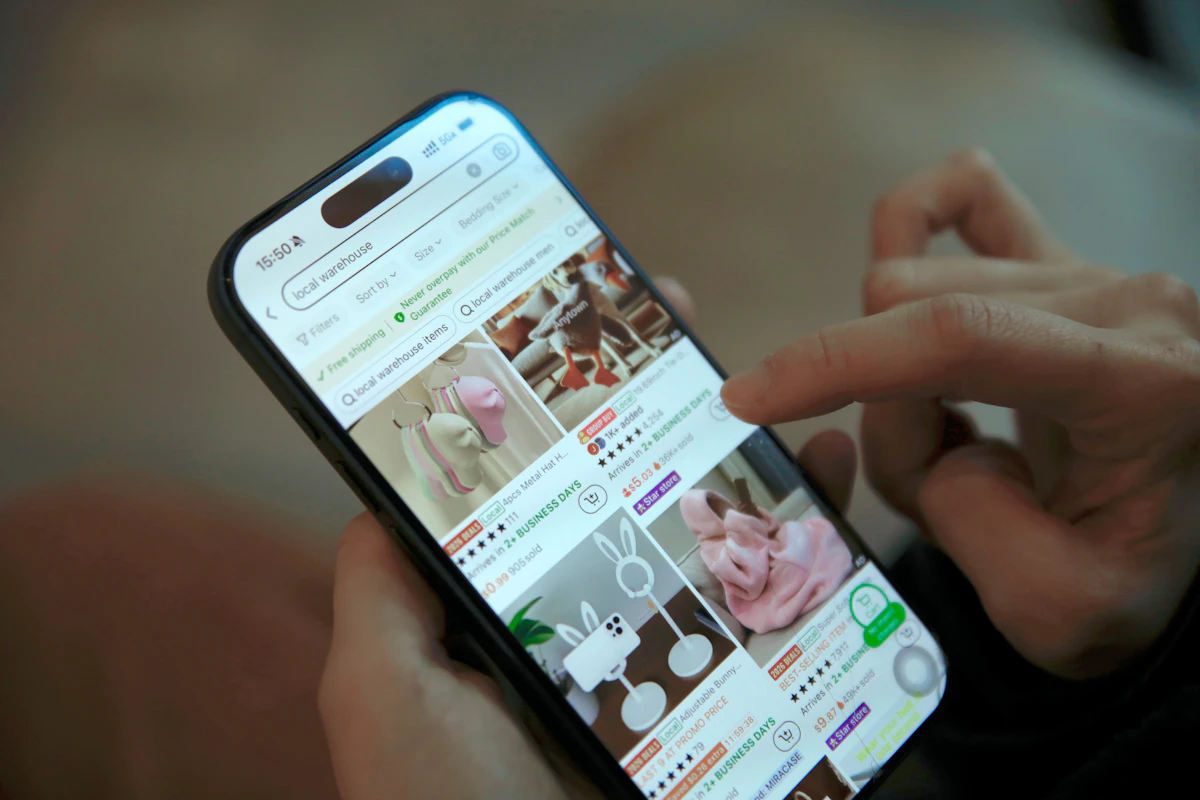
Paid Social, Creators and Video
Fitness is a visual category. People want to see the product in use: how the bench folds away, how the fabric moves, how loud the treadmill is. We plan Meta and TikTok ads around demonstration and creator content, test new concepts every month, and set up the Meta Pixel and Conversions API properly so results are measured accurately. Good videos then earn a second life on product pages and in YouTube search.

Conversion Rate Optimisation for Equipment and Activewear
Sports shoppers hesitate for specific reasons. Will it fit? Will it fit in my flat? How heavy is it to move? Is delivery free for something this big? What if I pick the wrong size?
Our Shopify CRO work answers those questions where the hesitation happens. That usually means clearer size guides, dimensions shown visually, delivery and returns details next to the add-to-cart button, bundles that make sense (a bench with weights, a racket with balls) and a faster mobile checkout.
Email, SMS, Analytics and Repeat Purchase
Consumables and accessories, such as shakers, grips, strings, balls, tape and training apparel, are where repeat revenue comes from. We build Klaviyo email and SMS flows for replenishment, cross-sells and seasonal launches, and connect everything to clean analytics and reporting, so you can see revenue by channel, collection and product rather than just traffic.
Planning SEO Around the Sporting Calendar
Few categories are as seasonal as sport. Searches for home gym equipment jump after New Year, running and cycling gear climbs into spring, outdoor and water sports peak in summer, and team sports follow school terms and league starts. If you sell into Australia as well as the UK or US, winter and summer arrive at opposite ends of the year.
SEO takes time to show up in rankings, so seasonal pages need to be ready well before demand arrives. We build a calendar for your store that covers:
- Which collections and guides to refresh, and how many weeks ahead
- When to keep evergreen collection URLs live instead of creating and deleting seasonal ones
- How to handle out-of-stock and end-of-season products without losing their rankings
- When to shift budget between SEO, Shopping and paid social through the year
Selling in several countries? Our international expansion service plans around local seasons, currencies and events. The same thinking appears in our article on ranking before a seasonal trend hits.

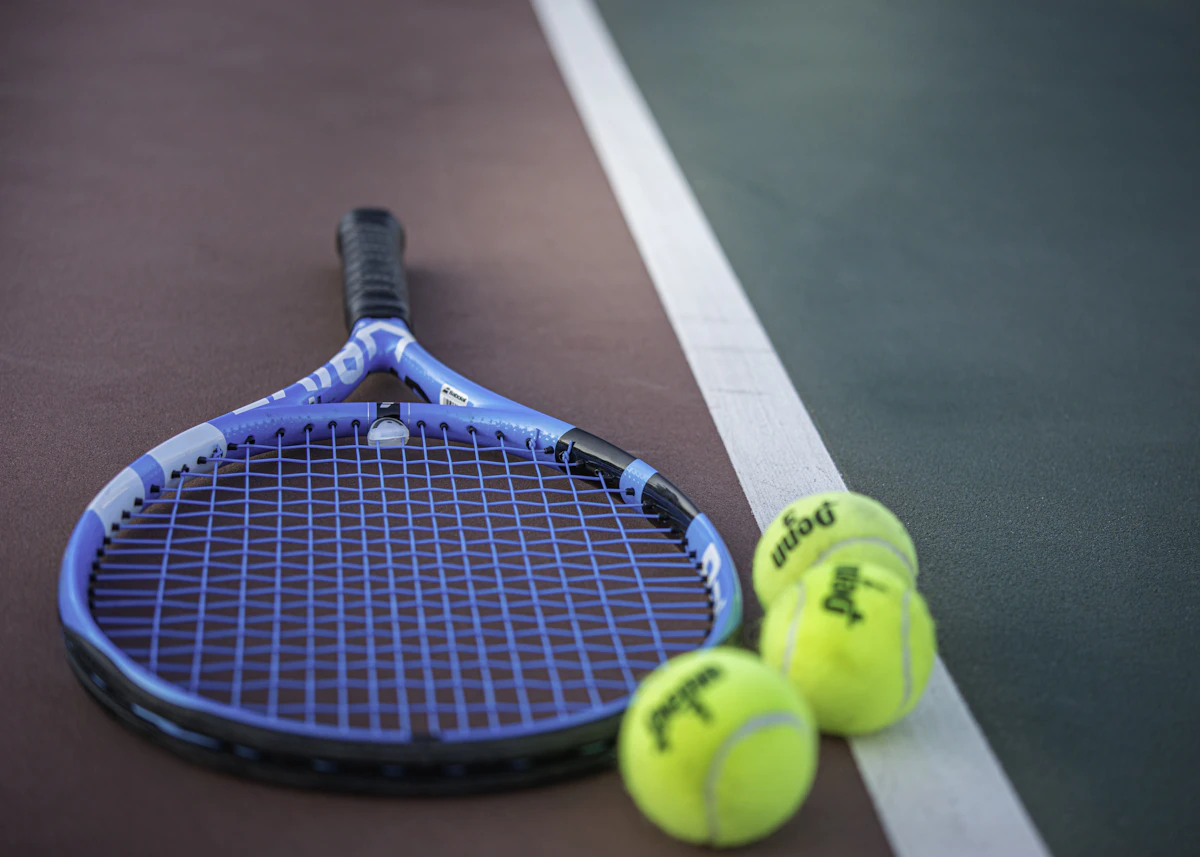
Fit, Size and Spec Content That Sells (and Cuts Returns)
Buying a bike, a pair of boxing gloves or a squat rack online means trusting the page instead of trying the product. That makes product information one of the most valuable SEO and conversion assets a sports store has. We help you build:
- Size guides with real measurements, not just S, M and L, plus advice on when to size up
- Spec tables for weight, dimensions, materials, maximum user weight and folded size
- “Who it’s for” notes that say plainly whether a product suits beginners, regular users or competitive athletes
- Comparisons between your own models, so shoppers can pick with confidence
- Questions and answers drawn from real customer service enquiries
This kind of content tends to rank for long-tail searches, gives AI assistants accurate facts to quote, and reduces the “ordered two sizes, sent one back” problem.
How Specialist Sports Stores Compete With Marketplaces and Big-Box Retailers
You won’t outrank the biggest marketplaces or national chains on every broad term, and you don’t need to. Specialist sports stores win by owning the searches where knowledge matters more than price: a specific sport, a niche discipline, an expert buying guide, a bundle nobody else offers, or a product line you know better than anyone.
We put your budget into those searches first, build depth in the collections where you can be the best answer, and use branded search and email to keep the customers you win. Price-led head terms come later, once the site has the authority to compete.
Who It’s For
Sports and Fitness Brands We Work With
We work with Shopify and Shopify Plus stores across most of the sports and fitness market, from single-product startups to large multi-brand retailers.
Home Gym and Strength Equipment
Dumbbells, racks, benches, cardio machines and accessories, where bulky delivery and detailed specs shape the decision.
Activewear and Athleisure
Training, yoga and running apparel, where sizing, fabric and style content drive both rankings and conversion.
Running, Cycling and Endurance
Shoes, bikes, components, hydration and wearables for runners, riders and triathletes.
Team and Racket Sports
Football, cricket, basketball, tennis, padel, pickleball and badminton gear for players, clubs and schools.
Outdoor, Water and Adventure
Hiking, climbing, camping, surf, paddle and winter sports gear with strong seasonal swings.
Combat Sports and Specialist Niches
Boxing, martial arts, gymnastics and other niches, where expert content beats a generic catalog.
Selling sports nutrition too? Our health supplement marketing page covers the extra compliance work that category needs. Apparel-led brands may also find our fashion and apparel page useful.
Our Process
Our Four-Step Process
01
Audit
We review your store's technical health, collections, product pages, feed and tracking, and see which competitors rank for the searches you want.
02
Strategy
We map keywords and pages by sport, season and buying stage, then agree priorities with you based on margin and stock, not just search volume.
03
Execution
We fix, write and build: collection and product optimisation, guides, technical work, feed changes and campaigns, with every change logged.
04
Scale
Monthly reports on rankings, AI visibility, traffic, orders and revenue, then we expand into the sports, markets and channels that are working.
Mistakes We Often See on Sports and Fitness Stores
- Using manufacturer descriptions word for word, so the page is identical to dozens of other stores
- One giant collection per sport, with no sub-collections for type, level or goal
- Deleting products when a model is discontinued instead of redirecting to the replacement
- Creating new seasonal URLs every year instead of one evergreen page that builds authority
- Filters and tags that create thousands of indexable, near-empty pages
- Large product images and too many apps slowing down mobile pages (our speed optimisation service fixes this)
- Running Shopping ads before fixing the feed, so the best products never show
- No sizing or dimension information, which leads to returns and poor reviews
Most of these are quick to fix once you know they exist. A free store audit will show which ones apply to your store.

Getting Your Products Into AI Search Answers
More shoppers now ask ChatGPT, Gemini, Perplexity or Google’s AI Mode questions like “what’s the best compact treadmill for a small flat” or “which padel racket suits a beginner”. These tools lean on pages that explain products clearly and consistently.
We make your product facts, brand information and buying guides easy for these systems to read and trust: structured data that matches the page, clear specs, honest comparisons and answers to the questions shoppers really ask. It is the same work that helps traditional SEO, organised so your brand has a better chance of being included when AI recommends products.
How to Choose a Sports and Fitness Ecommerce Marketing Agency
Whether you work with us or someone else, these are the questions worth asking before you sign.
Do they know Shopify in depth?
Sports catalogs push Shopify's collections, variants and filters hard. Ask how they handle duplicate URLs, filtered pages and variant-heavy products.
Can they explain seasonality?
A good agency talks about when work needs to happen relative to your peak months, not just what work gets done.
Will they write original product content?
If the plan relies on manufacturer text or unedited AI copy, rankings rarely follow.
How do they report?
Rankings alone aren't enough. Ask for a sample report that ties SEO and ads to orders and revenue.
Do they cover paid and organic together?
Shopping ads, SEO and email should share data and priorities instead of competing for credit.
Are the terms clear?
Look for a defined scope, a monthly price you understand and no long lock-in before you have seen the work.
You can see exactly what’s included and what it costs on our Shopify SEO plans page.
Shopify SEO Packages
Shopify SEO Packages — Built to Grow Your Store
Get a complete Shopify SEO strategy designed to increase organic visibility, qualified traffic, and sales. Every package combines technical SEO, keyword research, on-page optimization, content, and authority building based on your store’s growth stage.
STARTER PLAN
Best for New & Small Shopify Stores
$150 /month
Research & Analysis
- Shopify SEO Audit
- Initial Website & Competitor Analysis
- Google Analytics Setup & Review
- Google Search Console Setup & Review
- Google Business Profile Review
- Website Indexing Check
- Shopify Store Structure Review
- Keyword Research
- Up to 2 Competitors
- Collection Page Optimization
BOOST PLAN
Best for Growing Shopify Stores
$250 /month
Advanced Shopify SEO
- Advanced Technical SEO Audit
- Product & Collection Keyword Mapping
- Product Page Content Optimization
- Collection Page Content Optimization
- Shopify Blog SEO Optimization
- Schema Markup Review
- Internal Linking Strategy
- Shopify Sitemap & Robots.txt Review
- Core Web Vitals Review
- Broken Link & Redirect Analysis
- Cannibalization Check
GROWTH PLAN
Best for Established Shopify Brands
$350 /month
Advanced SEO Strategy
- Full Shopify Technical SEO
- Advanced Competitor Analysis
- Keyword Gap Analysis
- Product & Collection SEO Strategy
- Search Intent Mapping
- Topical Authority Strategy
- Content Cluster Development
- Advanced Internal Linking
- Schema & Structured Data Review
- Page Experience Optimization
- Shopify Speed Optimization Recommendations
SCALE PLAN
Best for High-Growth & Shopify Plus Stores
$500 /month
Enterprise Shopify SEO
- Complete Shopify SEO Strategy
- Advanced Technical SEO
- Large Product Catalog Optimization
- Collection & Product SEO Architecture
- Shopify Plus SEO Review
- International SEO Review
- Shopify Markets SEO Review
- Advanced Schema Implementation
- Advanced Crawl & Indexation Analysis
- SEO Migration Support
- Shopify Theme SEO Review
- Speed & Core Web Vitals Optimization
- SEO Development Recommendations
FAQ
Sports and Fitness SEO: Frequently Asked Questions
It improves how your online store ranks for the searches your buyers make, from broad terms like "home gym equipment" to specific model searches. For a Shopify store that covers collection structure, product page content, technical fixes, structured data, buying guides and earning links, all measured against orders and revenue rather than traffic alone.
Most stores see early movement from technical fixes and long-tail product terms within the first three months. Competitive category terms usually take six to twelve months, depending on your site's authority, the competition and how much content is needed. Because the category is seasonal, starting a few months before your peak makes a real difference.
Yes, on the right searches. Specialist stores usually win on niche sports, expert buying guides, specific product lines and bundles, where knowledge matters more than price. We prioritise those searches first and build towards broader terms over time.
We keep evergreen collection URLs live all year and refresh them before each season rather than creating new ones. When a model is discontinued, we redirect it to the closest replacement or its parent collection so rankings and links aren't lost. Temporarily out-of-stock products usually stay live with a clear back-in-stock option.
Yes. We manage Google Shopping, Performance Max, Search, Meta and TikTok ads for Shopify stores, and plan them alongside SEO so they share keyword data and don't compete for the same sales.
Yes. We work with Shopify stores selling in the US, UK, Australia, Canada, Europe and India, and can plan multi-country SEO with separate markets, currencies and local seasons.
Increasingly. Shoppers ask AI assistants for product recommendations and comparisons. Clear specs, consistent brand information, structured data and helpful buying guides make it more likely that your products are understood and mentioned. AI search visibility is part of our SEO work.
Our Shopify SEO plans start at $150 per month for new and smaller stores, with larger plans for big catalogs and international stores. You can compare plans on our pricing page, or ask for a free audit and we'll recommend the right level.
Ready to Grow Your Sports or Fitness Brand on Shopify?
Book a free 30-minute call with our Shopify specialists. We’ll review your store, show you the biggest gaps in search, ads, email and conversion, and give you a practical plan to act on, with no obligation.