London shoppers have endless choices, from global retailers to resale apps to small independent labels. Looking good is not enough to be found among them. Strong Shopify fashion SEO in London gives your store a way to reach shoppers who are already searching for what you sell. This guide covers the pages, product details, technical basics, and content a fashion store needs to rank on Google and in AI search.
Why is selling fashion online in London so competitive?
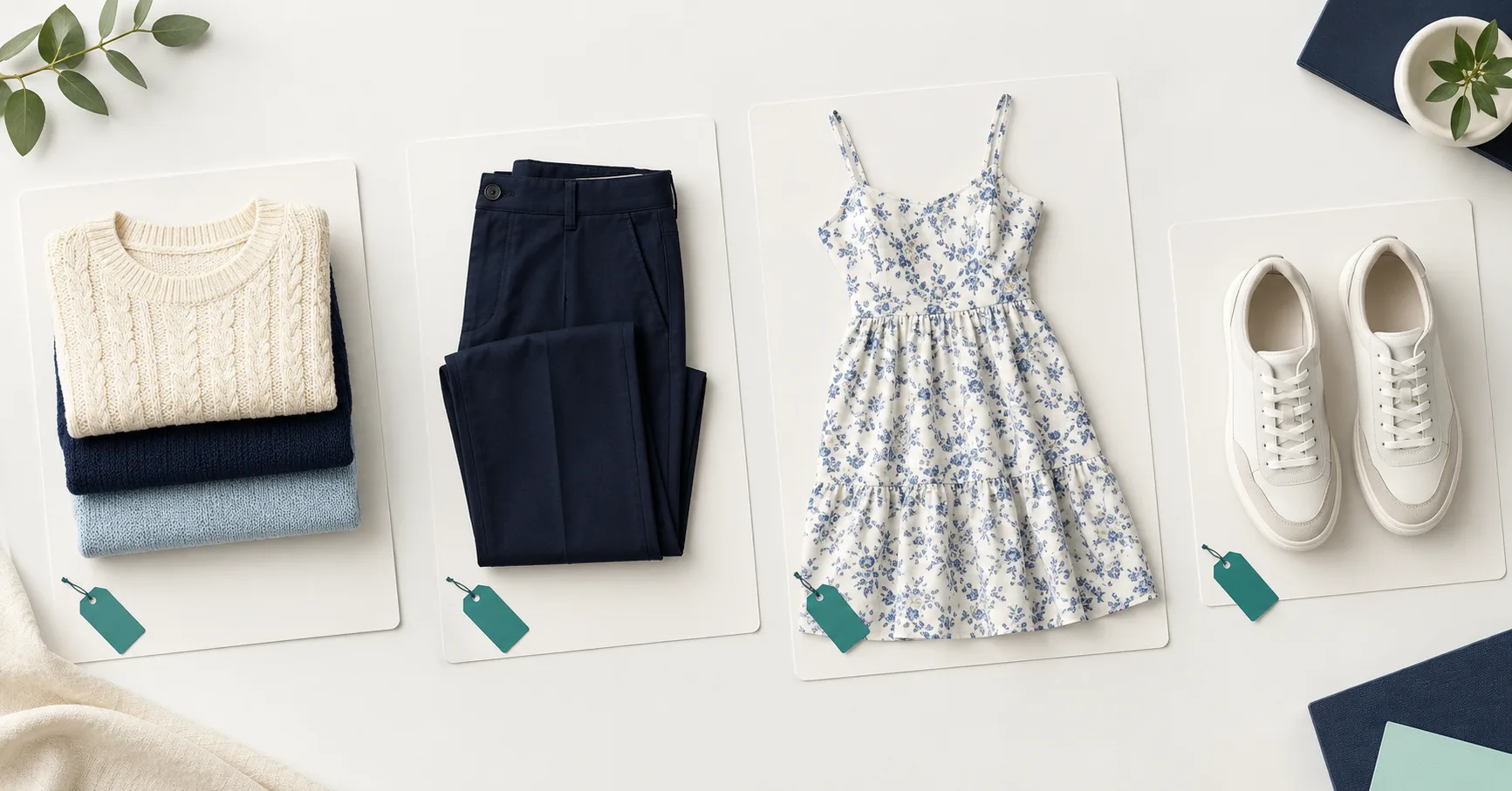
Shoppers can compare hundreds of brands in seconds, and big retailers already own many of the broad searches. A small label cannot win “dresses” or “jackets” outright, so it has to be specific.
The pressure comes from several places:
- Large fashion retailers with huge catalogues and big budgets
- Marketplaces and resale apps where shoppers hunt for bargains
- Hundreds of independent labels with similar products and photos
- UK shoppers who compare delivery speed and returns before they buy
The way through is to target narrower searches where your brand genuinely fits, such as a specific style, fabric, fit, or occasion. That is the heart of Shopify fashion SEO in London.
What does Shopify fashion SEO in London actually involve?
It means making sure Google and AI tools understand what you sell, who it suits, and why UK shoppers should trust you. In practice it covers collection pages, product pages, site speed, structured data, content, and reporting. Shopify SEO done well ties all of these together.
A few points are worth knowing:
- Think UK first: Most shoppers search for the UK, not for London, so target UK language and sizing before anything else.
- Use “London” with care: It works best on pages with real local relevance, such as a showroom, a pop-up, or a London-made range.
- Use UK words: Shoppers search for trousers, jumpers, and trainers, not pants, sweaters, and sneakers.
Which collection pages does a fashion store need to rank?
The ones that match how people shop: by product type, occasion, fit, fabric, and season. In Shopify fashion SEO in London, collection pages usually bring more search traffic than single products, so build them first.
Useful collection ideas:
- Product types: midi dresses, wide-leg trousers, linen shirts
- Occasions: wedding guest dresses, work outfits, holiday wear
- Fit: petite, tall, curve, maternity
- Fabric: linen, knitwear, cotton, vegan leather
- Season: spring layering, autumn coats, party season
Give each page a clear name, a short intro written for shoppers, and links to related collections. Avoid creating dozens of near-identical filter pages that compete with each other. Your Fashion & Apparel approach to Shopify fashion SEO in London should start here.
How should product pages be written for UK shoppers?
Write them for a shopper who cannot touch the fabric, so the page answers every question that touch would. Use UK spelling, UK sizes, and prices in pounds that include VAT.
Include these details:
- A unique description, not supplier text
- The UK size range, measurements, and model height
- Fabric, care, and fit notes
- Several photos, including close-up detail shots
- Delivery times and costs in plain words
- Returns terms near the buy button
- Genuine customer reviews
Keep titles clear. “Linen Wide-Leg Trousers in Sage” will serve shoppers and search better than “Summer Vibes Bottoms”. These changes also support conversion rate optimisation, because clear pages turn more visitors into buyers.
How do size guides and returns information help rankings and sales?
Fit doubt is a major reason fashion shoppers leave or send items back, and clear information reduces both. A good size guide is a quiet win in Shopify fashion SEO in London, because it gives you a page that can rank for sizing searches.
Ways to use it:
- Add a size guide with UK sizes to every product
- Write fit notes such as “true to size” or “relaxed fit” only when they are accurate
- State your returns terms clearly. UK consumer rules give online buyers cancellation rights, so check the current rules and make your policy easy to find
- Review return reasons and update product pages to fix repeat problems
Each fix improves the page for people and search engines alike.
What technical SEO does a fashion Shopify store need?
Fast pages, a clean structure, and clear product data. Fashion pages are image-heavy, so the technical side of Shopify fashion SEO in London matters more than most owners expect.
Check these areas:
- Images: Compress them, and invest in Shopify speed optimisation
- Mobile layout: Most fashion browsing happens on phones
- Structured data: Add price, stock, and review details so they can show in search results
- Canonical tags: Stop colour and size variants competing with each other
- URLs and sitemap: Keep them clean and current
- Redirects: Fix broken links and redirect chains after any redesign
How can content bring more shoppers to a fashion store?
By answering the questions people ask before they are ready to buy. Style guides and advice pages bring in shoppers early, and content marketing like this also earns links over time.
Content ideas for Shopify fashion SEO in London:
- “What to wear to a summer wedding in the UK”
- “How to layer for changeable British weather”
- “How to measure yourself for trousers”
- Seasonal edits around moments like London Fashion Week, bank holidays, and party season
- Care guides for knitwear, linen, and silk
Link every guide to the matching collection so readers can shop what they just learned about.
How does AI search affect fashion brands in London?
More shoppers now ask ChatGPT, Gemini, and Google AI Overviews for outfit and shopping ideas. These tools tend to recommend brands whose details are clear, complete, and trusted.
To improve your chances:
- Write full product details covering fabric, fit, size range, and care
- Answer common questions directly on product and collection pages
- Keep genuine reviews and ratings visible
- Use structured data so product details are easy to read
- Earn mentions on trusted fashion and lifestyle sites
Good Shopify fashion SEO in London serves shoppers and AI tools at the same time, so this work pays off twice.
How do you build trust and authority for a fashion brand?
Through reviews, press mentions, and quality links from relevant sites. Google and AI tools both weigh trust, and Shopify fashion SEO in London works best when shoppers see proof before they pay. Steady link building from relevant sites supports all of this.
Practical steps:
- Ask for reviews with customer photos
- Pitch your brand story to UK fashion blogs and publications
- Work with creators in London and across the UK
- Keep your business details consistent on your site and social profiles
What should you track to see if Shopify fashion SEO in London is working?
Track UK rankings, organic traffic, and organic orders for your Shopify fashion SEO in London, not only clicks. Set a baseline before you start so progress is easy to see.
Useful numbers:
- Search Console clicks and impressions, filtered to the UK
- Rankings for your main collection pages
- Organic revenue and conversion rate
- Average order value
- Return rate by product
SEO usually takes a few months to show strong results. Review the numbers monthly, and use clear analytics and reporting to keep the picture honest.
When should you bring in a specialist for Shopify fashion SEO in London?
Bring one in when your catalogue is growing faster than you can optimise it, or when traffic is flat despite good products. A team that works only on Shopify understands themes, apps, and fashion catalogues.
When you compare options, look for:
- Experience in Shopify fashion SEO in London for fashion brands and UK shoppers
- Reports that show revenue, not just traffic
- A written scope with clear timelines and fees
- Honest promises, with no guaranteed rankings
Ask for a short store audit first. It shows how the team thinks and where your best opportunities sit.
Ready to get your fashion store found in London?
If you want Shopify fashion SEO in London built around your catalogue and UK shoppers, our team works remotely with brands in London and across the UK, and can start with a free AI SEO audit of your store.
About RankMyShopify
We are a Shopify-exclusive SEO and digital marketing agency, founded in 2009, with offices in Punjab, India and the USA. We work with ecommerce brands across India, the USA, the UK, Australia, and Canada on Shopify SEO, Google Ads, Meta Ads, conversion rate optimisation, content marketing, and AI search optimisation.
Ready to scale your Shopify store?
Book a free 30-minute growth call with our Shopify specialists. We’ll audit your store and share an actionable roadmap — no obligations.

Mandeep is a content marketing expert at RankMyShopify. He helps Shopify brands grow organic traffic with search-focused blog content, product and collection page copy, and content built to get recommended by AI search tools like ChatGPT and Google AI Overviews.