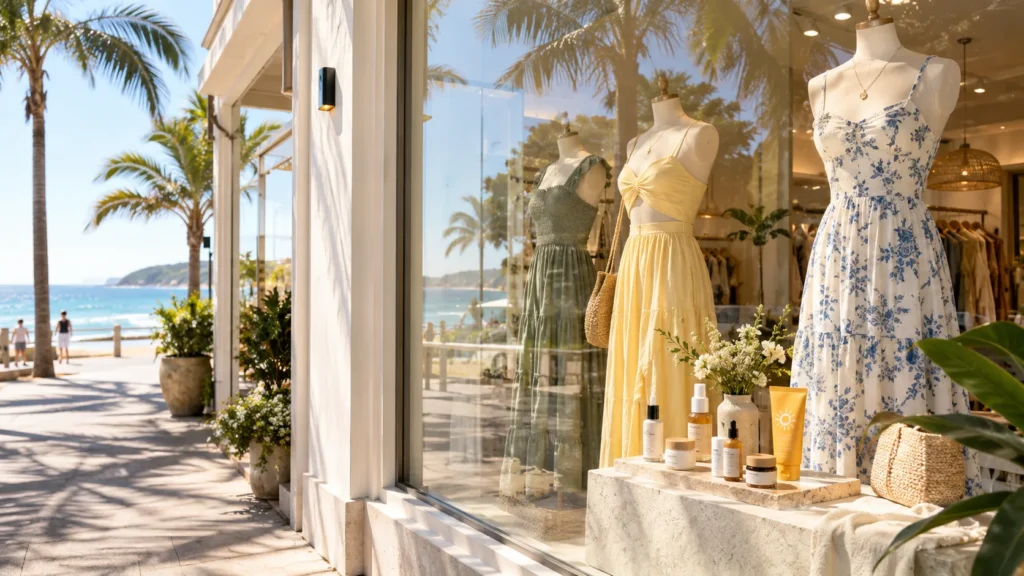
Fashion and beauty are two of the most competitive categories in Australian ecommerce, and shoppers often compare you with global giants in the same browsing session. Organic search gives smaller brands a way to be found by people who are already looking for what they sell, without paying for every click. That is why more Shopify services for Australian brands now start with SEO before moving on to ads.
If you run a fashion or beauty store in Australia, or you are a brand abroad planning to sell there, this guide explains what is different about the market, how to structure your store, how to plan SEO around the Australian calendar, and what to expect from Shopify services for Australian brands.
Why Does SEO Matter So Much for Australian Fashion and Beauty Brands?
SEO matters because it brings in shoppers who are ready to compare and buy, and it keeps working after a campaign ends. Paid ads stop when your budget stops, but a strong collection page or buying guide can bring visitors for months or years.
For fashion and beauty, organic search helps in three ways:
- Discovery: shoppers search for things like “linen shirt dress” or “vitamin C serum” long before they know your brand
- Trust: ranking well for useful guides makes a newer brand feel established
- Margin: organic traffic reduces how much you depend on rising ad costs
What Makes Australian Fashion and Beauty SEO Different?
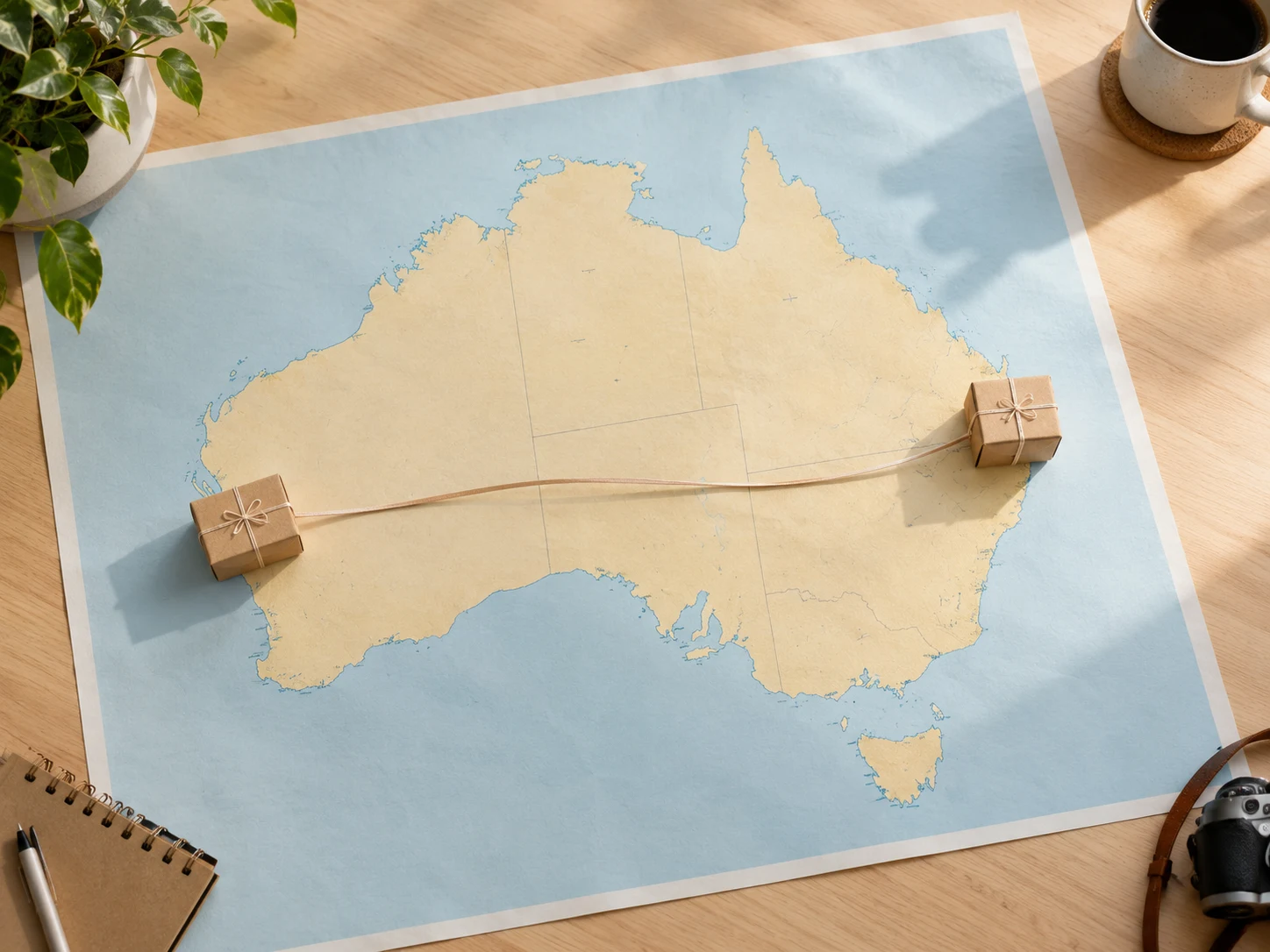
Australian SEO is different because of local language, pricing rules, distance, seasons and regulations. Plans copied from the US or UK often miss these details.
| Factor | Why it matters | What to do |
|---|---|---|
| Local terms | Australians use words like swimmers, bathers, togs, thongs and singlets | Research how shoppers search on google.com.au and match your copy |
| GST-inclusive pricing | Shoppers expect to see the final price including 10% GST | Keep product pages, ads and feeds consistent |
| Distance | Delivery to Perth or regional areas is slower and costlier | Show delivery times and costs early, not only at checkout |
| Opposite seasons | Summer is December to February | Publish seasonal content before each peak, not during it |
| Local trust | Many shoppers value “Australian owned” and local shipping | Use these claims only if they are true, and back them with real reviews |
| Regulations | Consumer law, advertising rules and, for some beauty products, therapeutic goods rules | Keep claims honest and ask your legal adviser to confirm details |
How Should Fashion Brands Structure Collections and Products for SEO?
Fashion brands should build collections around how shoppers search, then support them with detailed product pages. Collections usually bring the most search traffic because they match broad, high-intent searches.
Useful collection angles include:
- Category: dresses, jeans, activewear, swimwear
- Occasion: wedding guest, work wear, holiday
- Fabric or feature: linen, cotton, maternity, plus size
- Season: summer dresses, winter coats
Each collection needs a short intro written for shoppers, a clean URL and links to related collections. Our guide to Shopify collection page SEO for large catalogs explains how to scale this across hundreds of products.
On product pages, include fabric, fit, sizing guidance and care instructions, and write your own descriptions instead of copying supplier text. See our notes on Shopify product page SEO for what a strong page includes. Also check that variants such as size and colour point to one main product URL, so Google does not see duplicates.
How Should Beauty Brands Approach Shopify SEO?
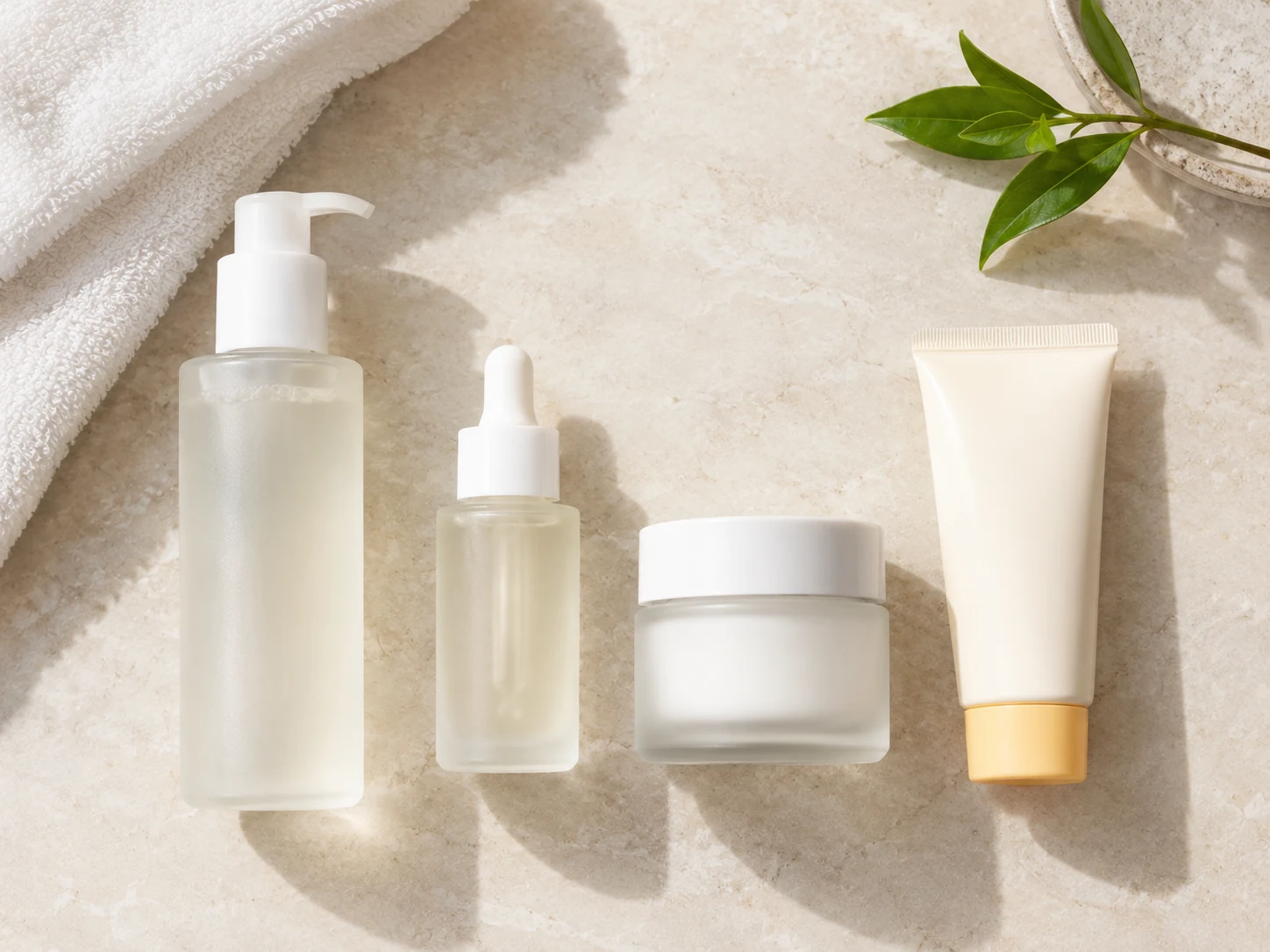
Beauty brands should build around concerns, ingredients and routines, because that is how shoppers research. People search for solutions such as “serum for dry skin” more than for brand names.
- Concern and ingredient collections: for example acne-prone skin, sensitive skin, retinol or niacinamide
- Routine guides: simple “how to build a routine” content that links to your products
- Real reviews: honest customer reviews and clear ingredient lists build trust
- Careful claims: avoid medical or exaggerated promises, and note that advertising of some products, such as certain sunscreens and supplements, falls under therapeutic goods rules in Australia
For category-specific plans, see our pages for fashion and apparel and beauty and skincare.
How Do You Find the Right Keywords for the Australian Market?
Start with how Australians actually search, not how overseas brands write. Use these steps:
- Check Google Search Console to see which queries already bring visitors from Australia.
- Research keywords in Semrush or Ahrefs with the location set to Australia.
- Look at google.com.au results to see what ranks and which words appear.
- List local terms such as swimmers, bathers, togs, thongs, singlets and trackpants, and note that some words vary by state.
- Map each keyword to one page so your pages do not compete with each other.
Our Shopify keyword research page explains this process in more detail.
Does Site Speed Matter for Australian Mobile Shoppers?
Yes, because most shoppers browse fashion and beauty on their phones, and slow pages lose them quickly. Fashion stores are especially at risk because they use many large images.
The most common fixes are compressing images, removing unused apps, limiting heavy sliders and choosing a lightweight theme. Check your Core Web Vitals in Google Search Console and PageSpeed Insights. If you want hands-on help, see our Shopify speed optimization service.
How Can Content Support Fashion and Beauty SEO?
Content captures shoppers earlier in their research and sends them toward your collections. Strong topics include buying guides, styling advice, ingredient explainers and seasonal edits.
For example, imagine a Melbourne activewear brand with great products but only product pages. Adding guides such as how to choose the right leggings for different workouts, plus links to the matching collections, would give it many more ways to be found. Our Shopify content marketing plan shows how to build this step by step.
How Should You Plan SEO Around the Australian Calendar?
Plan SEO well before each shopping moment, because pages need time to be indexed and to build visibility. Key dates for fashion and beauty include:
- January and February: summer clearance and back-to-school
- May: Mother’s Day gifting
- June: end of financial year sales (EOFY)
- July and August: winter collections and skincare demand
- September: Father’s Day and spring launches
- November: Click Frenzy, Black Friday and Cyber Monday
- December: Christmas gifting, summer wear and Boxing Day sales
Publish or refresh the relevant collection pages and guides weeks or months ahead, then keep them updated each year instead of creating new pages every season.
What Should Shopify Services for Australian Brands Include?
The best plans combine SEO with the local details that affect sales, so look for these elements when you compare providers:
- Technical SEO audit: duplicate URLs, canonical tags, indexing, structured data and site speed
- Local keyword research: based on Australian searches and language
- Collection and product optimisation: unique copy, clean structure and internal links
- Content plan: guides tied to your collections and the Australian calendar
- Market setup: AUD pricing, GST-inclusive display and delivery messaging
- Reporting: organic traffic, rankings and revenue, explained simply
You can see how these fit with paid ads, email and conversion work on our page for Shopify services for Australian brands and our Shopify SEO service page. If you plan to sell in several countries, our Shopify international expansion service covers Shopify Markets and hreflang.
How Do You Measure Whether SEO Is Working?
Measure organic revenue and customer actions, not only visits. Track these each month:
- Organic traffic and the keywords you rank for in Google Search Console
- Revenue and conversions from organic search in GA4
- Rankings for your main collection pages
- Page speed and Core Web Vitals
- Email sign-ups from content
SEO usually takes around three to six months to show clear movement, and stronger growth often follows. This is a typical range, not a promise, because results depend on your competition, your starting point and how consistently you improve the store.
Why Work With a Shopify-Only Team?
A Shopify specialist already understands how collections, variants, apps and checkout behave, so SEO time goes into growth, not trial and error, which is a real advantage when you choose Shopify services for Australian brands. RankMyShopify has worked only with Shopify since 2009, with offices in Punjab, India and the USA, and supports fashion, beauty, home decor, health and wellness and D2C brands across Australia, the USA, the UK, Canada and India.
Because we also handle ads, email and conversion work, your SEO is planned together with the rest of your growth. For a personalised proposal, call 9888923755 or email info@rankmyshopify.com.
Ready to grow your Australian fashion or beauty brand with proven SEO?
Contact RankMyShopify today on 9888923755, email us at info@rankmyshopify.com, or visit https://rankmyshopify.com/locations/australia/ to get a free Shopify store audit.
Ready to scale your Shopify store?
Book a free 30-minute growth call with our Shopify specialists. We’ll audit your store and share an actionable roadmap — no obligations.