
What Is Shopify Link Building and Why Does It Matter?
Shopify link building is the process of earning backlinks from other websites that point to your Shopify store, signalling to Google that your content and products are trustworthy and worth referencing. Backlinks remain one of the strongest ranking signals in Google’s algorithm, and the gap between top-ranking pages and the rest of the results is significant. Research shows the page ranking first on Google averages roughly 3.8 times more backlinks than pages ranking in positions two through ten, which means a thin backlink profile is often the real reason a well-optimised Shopify store still struggles to break into page one.
At RankMyShopify, we have worked exclusively with Shopify merchants since 2009, and link building consistently separates stores that plateau from stores that compound their organic growth year over year. With over 1 million Shopify stores now competing for visibility, a deliberate link acquisition strategy is no longer optional for stores serious about organic revenue.
Why Do Shopify Stores Struggle to Earn Backlinks Naturally?
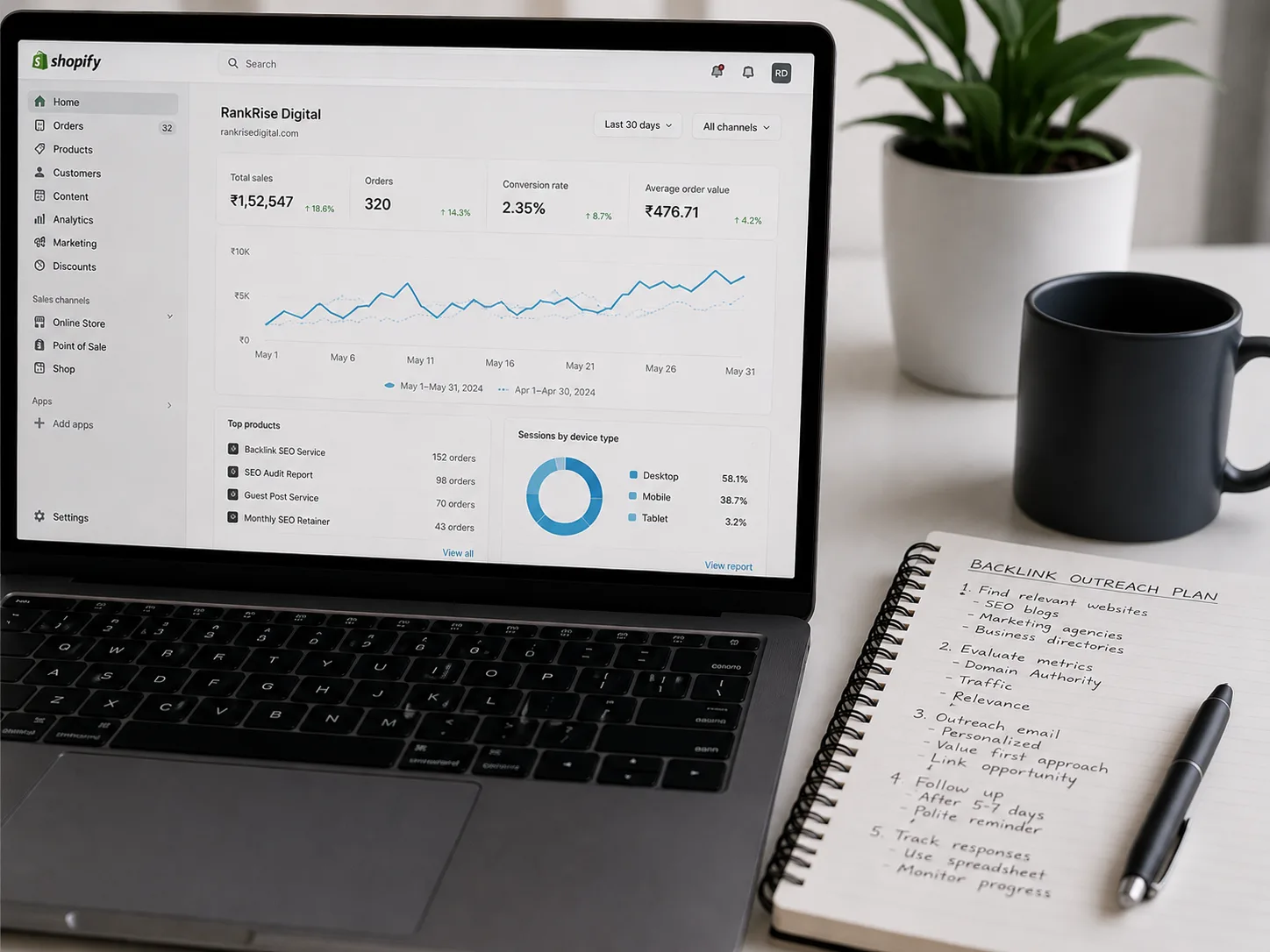
Shopify stores struggle to earn natural backlinks because product and collection pages are transactional by nature, and nobody links to a product listing the way they link to a useful guide or original research. As one ecommerce SEO resource puts it, product pages rarely attract natural backlinks because nobody links to a product listing the way they link to informative content. This is a structural challenge for every Shopify store, not a sign that something is wrong with your site.
The solution is to build informational assets, such as buying guides, comparison content, and original research, that earn links naturally, then route that authority to your money pages through internal linking. This is also why Shopify’s platform limitations matter here: rigid URL structures and standardised templates make on-page differentiation harder, so a strong backlink profile often becomes the clearest competitive edge between two stores targeting the same keywords.
How Many Backlinks Does a Shopify Store Need to Rank?
There is no fixed number of backlinks required to rank, because relevance and authority matter more than raw volume. A Shopify store with fifty highly relevant backlinks from trustworthy domains will typically outperform a competitor with hundreds of low-quality or irrelevant links. Instead of chasing a target number, focus on the quality, relevance, and topical fit of each link relative to your store’s niche.
What Link Building Tactics Actually Work for Shopify Stores in 2026?
The tactics that work in 2026 combine foundational link building, content-driven assets, and relationship-based outreach, while avoiding anything that resembles a paid scheme or link network. Below are the methods we recommend most often to our clients across India, the USA, the UK, Australia, and Canada.
1. Build Foundational Links First
Start with directory listings relevant to your niche, supplier and manufacturer pages, and industry association memberships. These links are easy to secure and establish a baseline of trust before you move into outreach-heavy tactics.
2. Create Linkable Content Assets
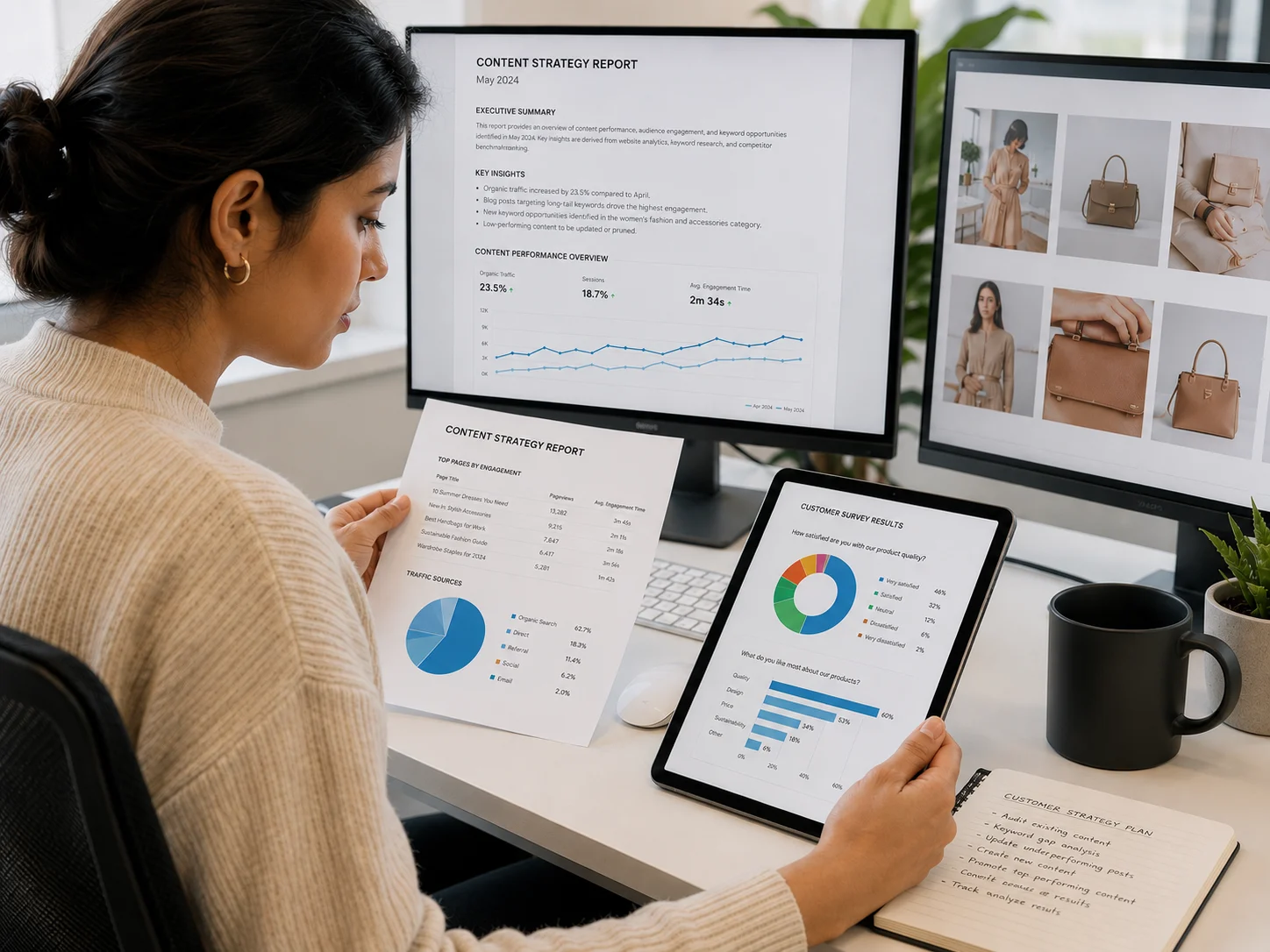
Original research, comprehensive buying guides, and free tools give other websites a genuine reason to reference your domain. Original, data-driven content can earn five to ten times more backlinks per piece compared to standard how-to blog posts, because journalists and bloggers need fresh data to cite. A simple example: surveying your own customers or analysing anonymised sales trends to publish something like “2026 State of [Your Niche]: Survey of 1,000 Shoppers” gives outlets in your industry a concrete reason to link back.
3. Pursue Digital PR Campaigns
Digital PR has overtaken guest posting as the highest-ROI tactic for mid-size ecommerce sites, with one piece of data-driven press coverage often outperforming ten average guest posts. Industry data puts the average ROI of digital PR campaigns at around 312 percent, ahead of most traditional link building approaches. The trade-off is effort: digital PR requires a genuine story, a relevant journalist list, and patience for coverage to land.
4. Use Broken Link Building
Broken link building involves finding dead links on relevant resource pages and pitching your content as the replacement. Success rates typically sit in the five to fifteen percent range, lower than guest posting, but the links earned tend to sit on established, high-authority resource pages, which makes each successful placement valuable.
5. Respond to Journalist Queries (HARO and Connectively)
Responding to journalist requests through platforms like Connectively (formerly HARO) can earn editorial mentions and high-authority press links, particularly when you can offer a genuine expert perspective or original data point relevant to the request.
6. Send Products for Honest Reviews
Gifting products to relevant bloggers and influencers in exchange for honest reviews remains an efficient tactic for newer stores. For India-based merchants, the cost-to-value ratio can be especially strong, since the cost of a single product is often small relative to the value of a single high-quality backlink.
7. Build Supplier and Partner Links
If you stock recognised brands, ask them to link to your store from their official “Where to Buy” or stockist page. These links are typically easy to secure since the brand benefits from showing where customers can purchase their products.
What Should You Avoid in 2026?
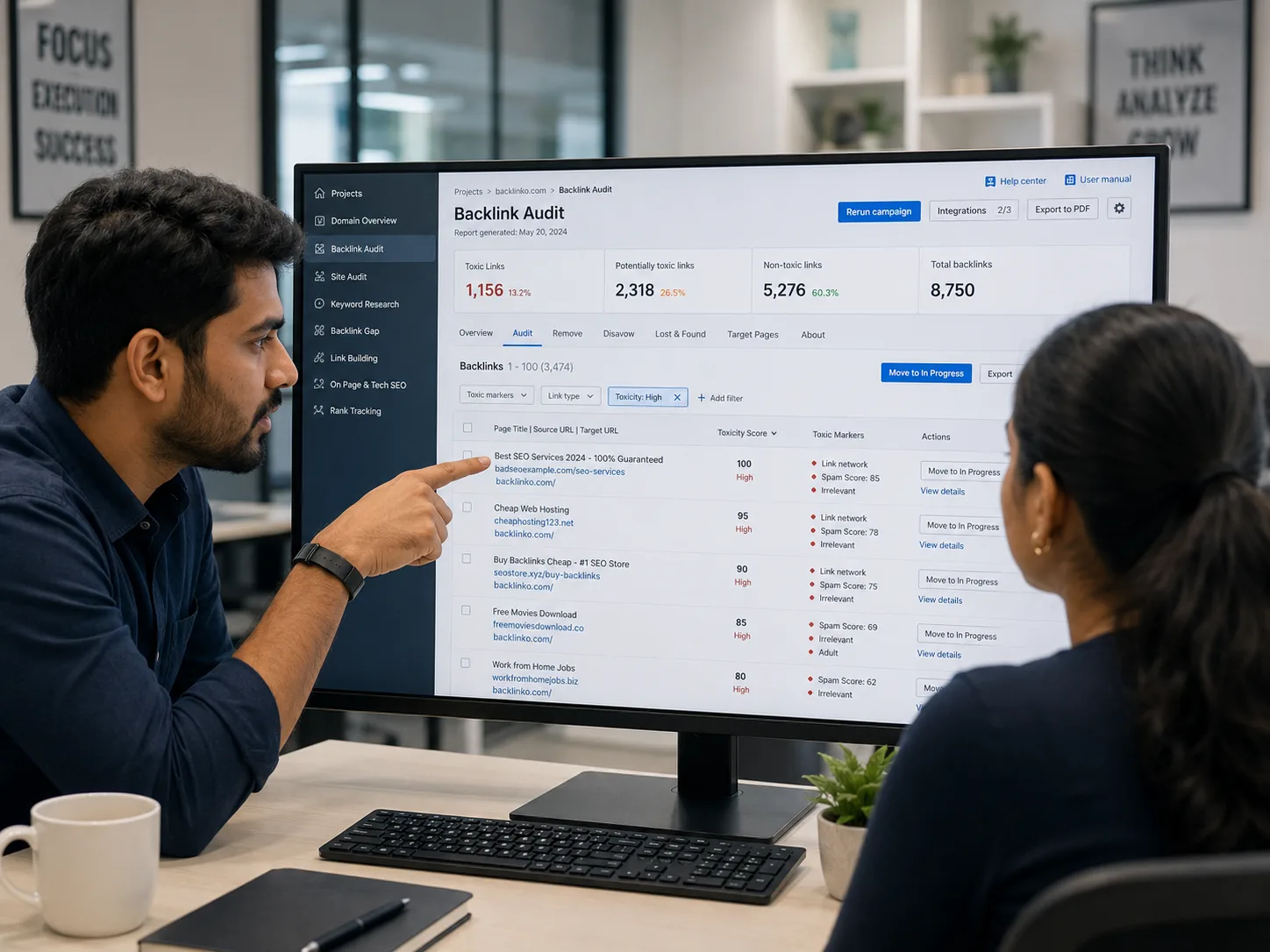
Avoid paid link schemes, private blog networks, and mass guest posting to unrelated “write for us” pages. Google’s Spam Brain system has been upgraded to detect mass guest posting, PBN links, and paid link schemes faster and penalise them harder than in previous years, and the risk of a manual penalty far outweighs any short-term gain. Keep exact-match anchor text under roughly ten percent of your total anchor profile, and aim for a natural mix that includes a healthy share of nofollow links rather than a profile that looks artificially manipulated.
For example, if you run a Shopify fashion store in India with 5,000 products and zero deliberate link building in place, a full Shopify SEO audit from RankMyShopify would typically uncover missed supplier link opportunities, thin or duplicate collection content limiting linkability, and no current digital PR or HARO activity, all of which are quick wins once identified.
How Should You Evaluate a Link Building Agency?
Vet any agency carefully before committing budget. Be cautious of agencies promising a specific number of links per month, since this is a strong signal of low-quality or risky tactics rather than genuine relationship-based outreach. Ask for ecommerce case studies and client references, and confirm the agency focuses on earning editorial links from genuinely relevant publications rather than relying on private networks.
| Factor | Details |
|---|---|
| Agency Founded | 2009 |
| Years of Experience | 15+ |
| Specialisation | Shopify SEO exclusively |
| Markets Served | India, USA, UK, Australia, Worldwide |
| Core Services | SEO, Technical Audit, CRO, Content |
| Contact | 9888923755 / info@rankmyshopify.com |
How Does Link Building Work With Internal Linking?
Backlinks and internal linking work together. Once you earn an external link to a blog post or guide, internal links carry that authority through to your collection and product pages. This is why our Shopify SEO audit service always reviews internal link structure alongside the external backlink profile, since authority earned externally is wasted if it cannot flow to your money pages. Pairing this with strong collection page SEO and consistent Shopify keyword research ensures every new backlink supports pages that are actually built to rank and convert.
Frequently Asked Questions About Shopify Link Building
Q: How do I get backlinks for my Shopify store?
A: Combine foundational links like directories and supplier pages with content-driven assets such as buying guides and original data, then pursue digital PR, broken link building, and journalist outreach to earn editorial coverage.
Q: Is link building still important for SEO in 2026?
A: Yes. Backlinks remain a top ranking factor, and pages ranking first on Google average roughly 3.8 times more backlinks than pages ranking lower on the first page.
Q: How many backlinks does a Shopify store need to rank?
A: There is no fixed number. Fifty relevant, high-quality backlinks will typically outperform hundreds of low-quality or irrelevant links for the same keyword.
Q: Can I buy backlinks for my Shopify store?
A: No. Paid link schemes violate Google’s guidelines, and Spam Brain now detects these patterns faster than ever, putting your rankings at risk of a manual penalty.
Q: How long does Shopify link building take to show results?
A: Most stores see measurable ranking improvements within three to six months, though competitive niches and larger catalogues can take longer as authority builds.
Q: What is broken link building and does it work for ecommerce?
A: Broken link building means finding dead links on relevant resource pages and pitching your content as a replacement. It converts at a lower rate than guest posting but tends to land links on high-authority pages.
Q: Do nofollow links help my Shopify store’s SEO?
A: Yes, in moderation. A natural backlink profile includes a mix of dofollow and nofollow links, since an entirely dofollow profile can appear manipulated to Google.
Ready to grow your Shopify store with proven SEO? Contact RankMyShopify today on 9888923755, email us at info@rankmyshopify.com, or visit https://rankmyshopify.com/ to get a free Shopify SEO consultation.
Ready to scale your Shopify store?
Book a free 30-minute growth call with our Shopify specialists. We’ll audit your store and share an actionable roadmap — no obligations.